Every fall, homeowners across Greater Boston ask us some version of the same question: should we stick with our wood-burning fireplace, or would we be better off switching to gas? There isn’t one universal right answer. The right choice depends on your home, your budget, how often you actually use your fireplace, and how much maintenance you’re willing to take on in exchange for the experience you want.
Whichever option you have, or end up choosing, the venting system behind it still needs regular attention. A chimney inspection is the best way to know what condition yours is in before the heating season starts, and it’s a useful starting point no matter which side of this comparison you land on.
How Wood-Burning Fireplaces Compare
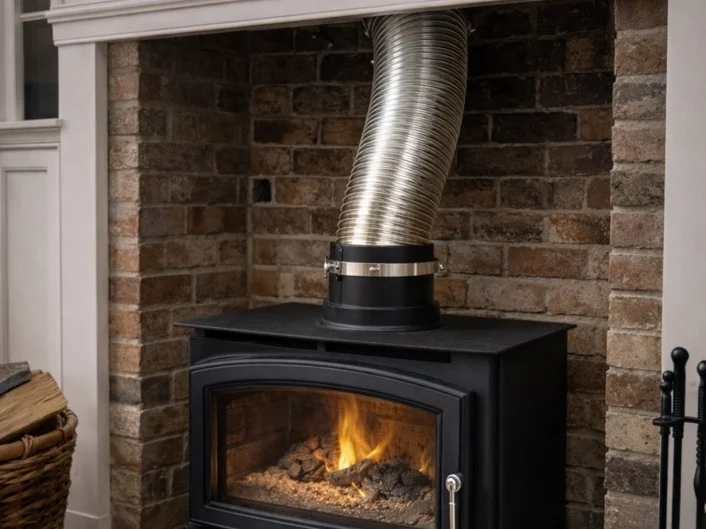
There’s a reason people love a real wood fire: the crackle, the smell of burning hardwood, and an ambiance that a gas insert can’t fully replicate no matter how realistic the flame pattern looks. Wood-burning fireplaces also don’t rely on a gas line or electricity to function, which some New England homeowners value highly after living through an ice storm or an extended power outage.
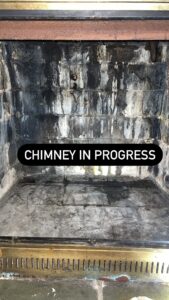
The trade-off is maintenance, and it’s a real one. Wood fires produce creosote and soot, both of which build up steadily inside the flue over the course of a burning season. That buildup means an annual sweep and inspection isn’t optional if you want the fireplace to stay safe to use, it’s simply part of owning one. Sourcing, seasoning, and storing enough firewood to get through a Massachusetts winter also takes considerably more ongoing effort than flipping a switch, and it requires space most homeowners have to plan for.
💡 Pro Tip: If you love your wood-burning fireplace but are tired of the daily upkeep, mention that at your next inspection. Sometimes the fireplace itself isn’t the source of the frustration; a liner that’s undersized or a damper that doesn’t seal properly can make an otherwise good fireplace much harder to live with than it should be.
How Gas Fireplaces Compare
Gas fireplaces offer a kind of convenience that’s genuinely hard to argue with. Instant heat at the flip of a switch, no ash to clean up after every fire, and no wood to haul, stack, or store through the winter. For many households, particularly ones without easy access to seasoned firewood or the storage space for it, that convenience alone is the deciding factor.
What gas doesn’t eliminate is the need for a properly functioning venting system. Gas appliances still need to vent combustion byproducts safely to the outside, whether that venting runs through an existing masonry chimney or a dedicated liner installed specifically for the appliance. That system should be inspected on a regular schedule, just like a wood-burning setup, even though a blocked or damaged gas vent doesn’t announce itself with visible creosote the way a wood fire does. That’s exactly why it’s the kind of thing that gets overlooked until something goes wrong.
❌ Common Mistake: Assuming a gas fireplace never needs to be inspected simply because it doesn’t produce the same smoke and soot a wood fire does. Any appliance that vents combustion byproducts to the outside, gas included, needs that venting checked periodically to make sure it’s still doing its job.
Comparing Cost and Maintenance Over Time
Wood is typically the less expensive fuel to burn, but the fireplace itself demands more hands-on maintenance over its lifetime: annual sweeping, periodic checks on the liner and cap, and ongoing attention to the crown and surrounding masonry as the chimney ages through New England winters. Gas tends to be more convenient on a day-to-day basis, though it comes with a steady fuel cost and occasional servicing needs for the appliance itself.
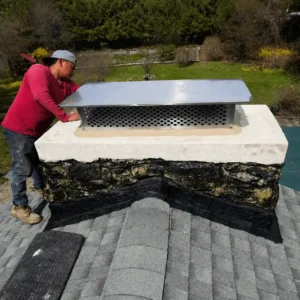
Neither option removes the underlying responsibility of maintaining the chimney or venting structure that supports it. A cracked crown, a missing cap, or a deteriorating liner causes essentially the same kind of water intrusion and structural damage regardless of whether the fireplace underneath burns wood or gas. The fuel type changes what happens inside the firebox, not what the chimney above it needs to stay safe and functional.
🏆 Insider Insight: The single biggest factor in how long any chimney lasts, gas or wood, is how well the exterior is protected from Massachusetts weather. That comes down to a sound cap, a solid crown, and masonry that isn’t absorbing water every time it rains or a nor’easter rolls through. Homeowners who focus on that exterior protection tend to get decades more life out of their chimney than those who don’t.
Which One Is Right for Your Home?
If you enjoy the ritual of tending an actual fire and don’t mind the extra maintenance that comes with it, a well-maintained wood-burning fireplace can serve a home for generations with the right care. If convenience matters more to your household, and you’d rather skip the sweeping schedule and wood storage altogether, gas is worth exploring seriously, ideally with guidance from a licensed gas technician who can evaluate the appliance side of that decision.
Either way, the chimney or venting system connecting your fireplace to the outside deserves the same level of attention regardless of which fuel you choose. That’s the part of the equation our team focuses on, whether you’re maintaining a decades-old wood-burning fireplace or making sure a newer gas system is venting the way it should.
It’s also worth factoring in what’s already in place. Many older homes throughout Massachusetts were built around a wood-burning masonry fireplace, and that existing chimney can often support either fuel type once the flue has been properly inspected and sized for the appliance in question. Newer homes with a factory-built fireplace may have more limitations depending on how the unit was originally installed and vented. A quick inspection before making a decision saves you from planning around an option your existing chimney or flue can’t easily accommodate.
Not sure what condition your current setup is in, or which direction makes more sense for how your household actually uses its fireplace? Contact us Chimney for an honest assessment of your fireplace and chimney, wood or gas, before the New England cold settles in for the season.