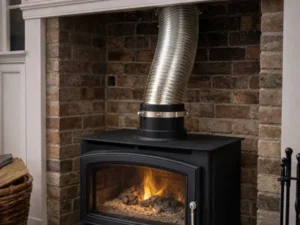
New England winters ask a lot of a chimney. Between the nor’easters, the freeze-thaw cycles, and months of steady daily use, a fireplace in Massachusetts works harder than almost anywhere else in the country. A little preparation each fall goes a long way toward keeping that first fire of the season safe instead of stressful, and toward avoiding the kind of repair bills that show up when small problems are left to grow over an entire winter.
Before you strike a match, it’s worth understanding what a properly prepared chimney and fireplace should actually look like heading into the cold months. A professional chimney inspection and cleaning is the fastest way to know exactly where your system stands, and it’s the foundation that every other step in this guide builds on.
Why Fall Is the Right Time to Prepare
Most Massachusetts homeowners start thinking about their chimney the moment smoke backs into the room or the first cold snap arrives, but by then whatever problem triggered it has usually been developing for months. Summer humidity, nesting birds, and a full season of an unused flue all set the stage for trouble once the fireplace starts getting regular use again.
Scheduling chimney maintenance in September or October, rather than waiting for the first hard freeze, also means avoiding the scheduling crunch that hits every chimney company in Greater Boston once the weather turns. Technicians get booked out weeks in advance once temperatures drop, and a homeowner who waits can end up going without a working fireplace through the coldest stretch of the season.
💡 Pro Tip: Book your inspection before you buy firewood for the season. If your chimney needs repairs, you’ll want to know before you’ve already stacked a cord of wood you can’t safely burn yet.
Start With a Professional Inspection
A visual check from the ground, or even a quick look up the flue with a flashlight, can miss a lot. Hairline cracks in the crown, a liner that has shifted slightly out of alignment, or creosote building up in sections of the flue that aren’t visible from the firebox all require someone who knows exactly what to look for and has the tools to see it properly.
A trained technician checks the crown, flashing, flue liner, damper, and firebox for the kind of wear that’s especially common on older New England homes, many of which have been through decades of freeze-thaw cycles that gradually work masonry apart. If your home hasn’t had a Level 2 chimney inspection in the last few years, or you’ve recently purchased the property and don’t know its full history, fall is the right time to schedule one before relying on the fireplace for daily heat.
🏆 Insider Insight: Freeze-thaw damage is one of the most common issues we find on older Massachusetts chimneys. Water works its way into small cracks in the masonry, freezes, expands, and widens that crack a little more with every cycle. Left unaddressed over a few winters, a hairline crack in a crown or a joint can turn into a repair that costs many times more than catching it early would have.
Check the Chimney Cap and Crown
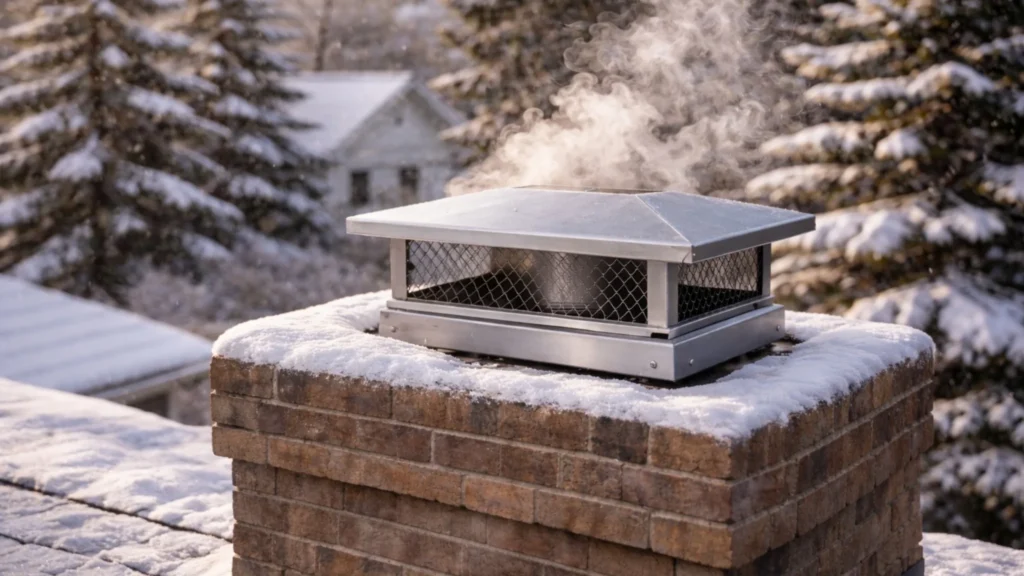
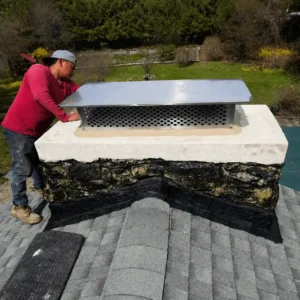
The cap and crown sit at the very top of the chimney, which means they absorb the brunt of New England’s weather before anything else does. A missing or damaged cap lets rain, snow, and debris fall straight down the flue, while a cracked or deteriorating crown allows water to seep directly into the masonry underneath it. Together, these two components do more to determine how well a chimney survives the winter than almost any other part of the system.
Warning signs are usually visible if you know where to look. Rust streaking down the brick below the cap, daylight visible around its edges from inside the flue, or a bent, loose-fitting cap all point to a component that isn’t doing its job anymore. On the crown, hairline cracks, chipped edges, or standing water after a rainstorm suggest that moisture is already finding its way in. If your cap is rusted, bent, or missing altogether, or you notice cracking on the crown from the ground, it’s worth having both looked at before winter sets in. Chimney cap installation and crown repair are two of the more affordable repairs a chimney ever needs, and addressing them now prevents much larger water damage later.
Clear Out Creosote and Debris
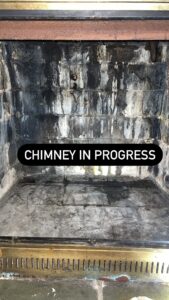
Every wood fire leaves behind creosote, a dark, tar-like residue that builds up along the interior of the flue. A small amount is normal and expected, but creosote is also highly flammable, and it accumulates faster than most homeowners assume over the course of a full burning season, especially if fires tend to smolder rather than burn hot and clean.
A proper sweep clears creosote out along with any leaves, nests, or other debris that collected in the flue over the summer months when the chimney sat unused. This is also typically when a technician spots early warning signs, glossy or hardened creosote in particular, that point to a bigger issue worth addressing before the fireplace sees regular use again.
❌ Common Mistake: Assuming a fireplace that barely got used last winter doesn’t need cleaning this year. Creosote can form even from occasional fires, and a chimney that sat idle all summer is also more likely to have picked up nesting material or blockages from local wildlife.
Protect the Masonry From Winter Moisture
Brick and mortar are porous materials, which means they absorb water rather than shedding it completely. Combined with New England’s freeze-thaw pattern, unprotected masonry can deteriorate noticeably faster than a chimney that has been properly sealed against moisture. Waterproofing uses a breathable sealant that keeps water from soaking into the brick in the first place, without trapping existing moisture inside, which helps the masonry hold up through repeated cycles of freezing and thawing over many winters.
If your chimney hasn’t been waterproofed in several years, or if you’re noticing a white, powdery staining on the brick known as efflorescence, that’s usually a sign moisture is already getting into the masonry. Addressing it before winter, rather than after a season of freeze-thaw damage, is almost always the more affordable path.
A little maintenance now means one less thing to worry about once the temperature drops and the fireplace becomes part of the daily routine again. TopDog Chimney has spent more than a decade helping homeowners throughout Greater Boston and Eastern and Central Massachusetts get their fireplaces ready for winter safely, with the same team handling everything from the initial inspection through any repairs that come out of it. Schedule your fall inspection today and head into the season with a chimney you don’t have to think twice about.