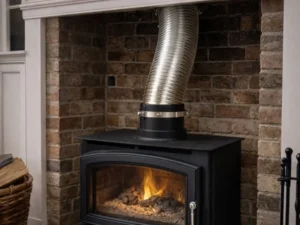
Thanksgiving is the night the fireplace earns its keep. The family is home, the oven has been running since morning, and everyone wants to end the evening around a warm fire. It is also one of the busiest days of the year for home heating and cooking fires, so a little preparation goes a long way.
Here are the safety basics our Greater Boston crew checks before every holiday, so your fire stays right where it belongs.
Start with a clean chimney
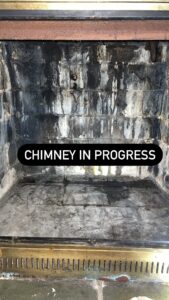
Every fire leaves behind creosote, a sticky, flammable residue that builds up on the walls of your flue. Enough of it, and a stray spark can turn into a chimney fire. A professional sweep clears that buildup, and an inspection catches cracks or blockages before you light up. If it has been more than a year, book the sweep before the holiday rush, not after.

Give the hearth three feet of clear space
Holiday decorations, wrapping, blankets, and gift boxes have a way of creeping toward the warm spot. Keep a three foot circle around the fireplace clear of anything that can catch, and keep an eye on kids and pets who want the coziest seat in the house. A sturdy screen in front of the opening stops popping embers from reaching the rug.
Burn the right wood
Dry, seasoned hardwood like oak, maple, or birch burns hot and clean. Wet or green wood smolders, coats your flue in creosote faster, and fills the room with smoke. Never burn wrapping paper, cardboard, or construction scraps. They flare up fast, throw embers, and send burning debris straight up the chimney.
Mind the kitchen, not just the fireplace
Thanksgiving is the single busiest day of the year for cooking fires. While the fireplace gets the attention, the stove and oven deserve just as much. Keep towels and packaging away from burners, never leave the kitchen with something frying, and keep a lid nearby to smother a grease flare. The same rule covers both rooms: a fire is only safe while someone is watching it.
Check the cap, crown, and flashing before winter settles in
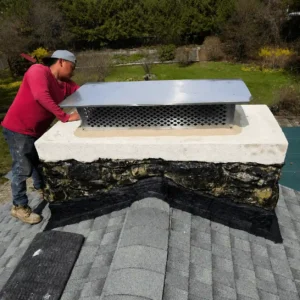
The parts you cannot see from the couch matter most once the cold arrives. A solid crown and a good cap keep rain, debris, and animals out of your flue, and sealed flashing keeps water from leaking in where the chimney meets the roof. If you are not sure when yours was last checked, a quick inspection now saves a bigger repair in January. See our recent cap, crown, and flashing restoration in Winchester for what that work looks like.
Keep detectors working, and never walk away from a fire
Working smoke and carbon monoxide detectors on every level are your last line of defense. Test them before the holiday and swap any tired batteries. Then the oldest rule still holds: let the fire burn all the way down and confirm it is out before everyone heads to bed.