If we had to choose one small chimney upgrade that can prevent a lot of future problems, chimney caps would be near the top of the list.
A chimney cap may not look like a big deal from the ground, but it plays an important role in protecting the entire chimney system.
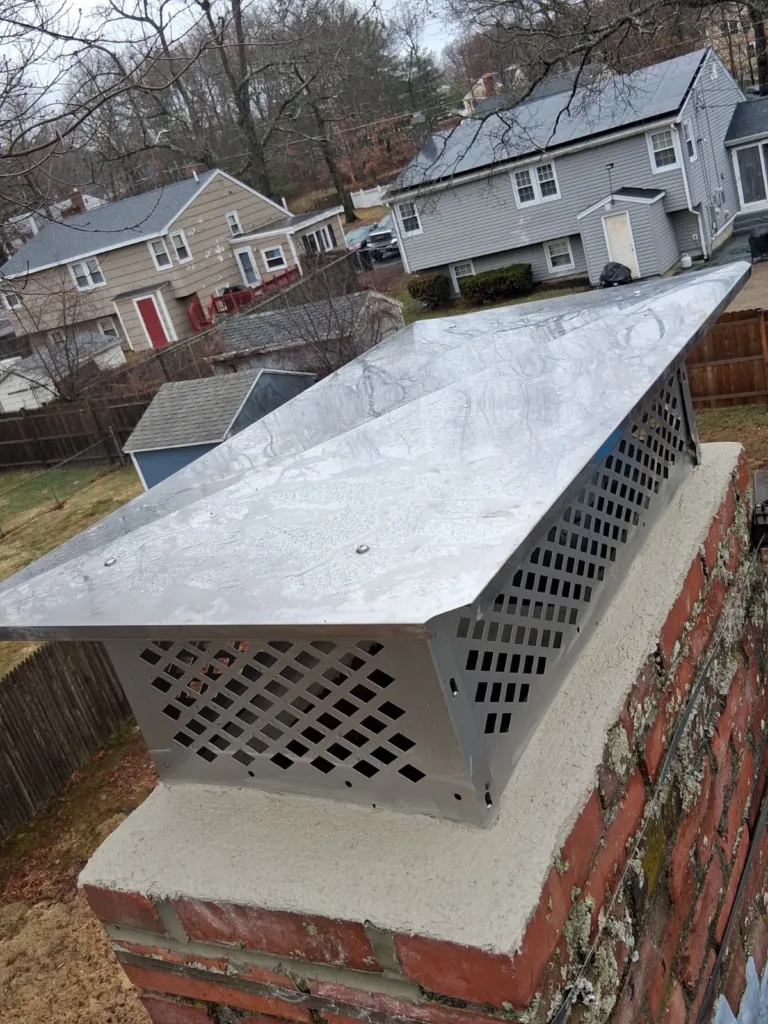
For homes in Burlington, MA, and surrounding areas, a properly installed chimney cap can help prevent rain, snow, animals, leaves, and debris from entering the flue.
What a Chimney Cap Actually Does
A chimney cap sits at the top of the chimney opening. Depending on the design, it usually includes a cover and mesh sides.
Its job is simple but important:
Keep rain and snow out
Help block animals and birds
Reduce debris entering the flue
Help protect the flue opening
Reduce the chance of downdrafts
Add a layer of protection against sparks
Without a cap, the chimney is exposed from the top.
That means water can fall directly into the chimney. Animals can enter. Leaves can collect. Snow and ice can build up. Over time, all of that can lead to bigger problems.
Why Chimney Caps Matter in Massachusetts and New Hampshire
In our area, weather changes quickly.
A chimney might deal with heavy rain one week, freezing temperatures the next, and strong wind after that. If water gets into the flue or masonry, it can contribute to rust, odor, cracked components, and freeze-thaw damage.
We often see chimneys where a missing or damaged cap allowed moisture to get in for years before the homeowner noticed anything inside the house.
By the time there is a visible leak or smell, the damage may already be deeper in the system.
Animal Problems Are More Common Than People Think
Another issue we see often is animal entry.
Birds, squirrels, and other small animals can get into uncapped chimneys. Sometimes they bring nesting material with them. Sometimes they cannot get back out.
This can create odor, noise, blockage, and ventilation concerns.
A properly fitted cap with the right mesh can help prevent this problem before it starts.
Not Every Chimney Cap Is the Same
We do not recommend treating chimney caps as a one-size-fits-all product.
The right cap depends on the chimney type, flue size, crown condition, and overall structure. A poorly fitted cap can loosen, rust, fail early, or not protect the chimney properly.
When we install a chimney cap, we look at the full top section of the chimney, not just the opening. If the crown is cracked or the masonry is already damaged, we want to know that before installing anything new.
Signs You May Need a New Chimney Cap
You may need a chimney cap inspection or replacement if you notice:
No visible cap on top of the chimney
Rust stains on the chimney exterior
Water sounds inside the fireplace
Animals or scratching noises
Leaves or debris in the firebox
Smoke drafting poorly
A cap that looks loose, bent, or damaged
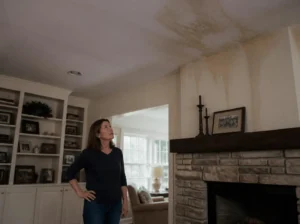
Water stains near the fireplace
Even if you are not sure, it is worth having it checked.
Our Field Advice
A chimney cap is one of those things homeowners usually think about only after there is a problem. But from our experience, it is much better as a prevention tool.
For homes in Burlington, MA and nearby towns, chimney caps help protect against the exact issues we deal with most: water, animals, debris, and winter exposure.
It is a small part of the chimney, but it can make a big difference.
Related Chimney Services
Not sure which service you need? Contact TopDog Chimney for a free written quote across Greater Boston.