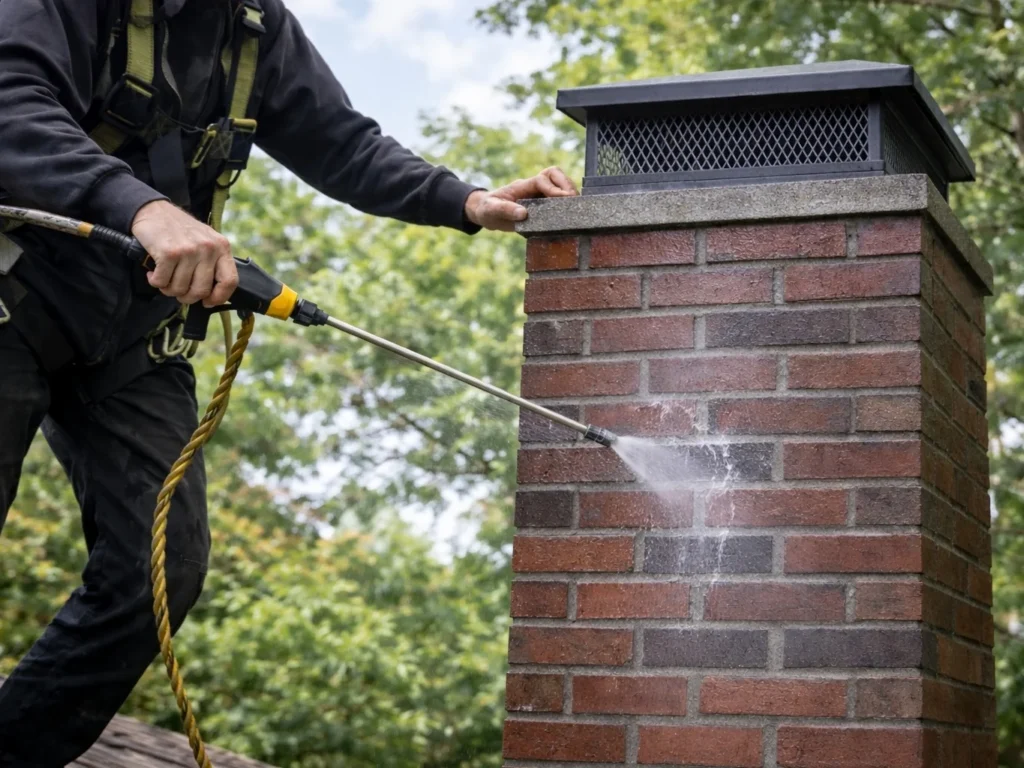
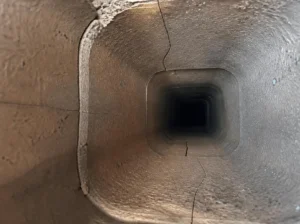
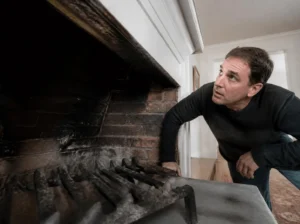
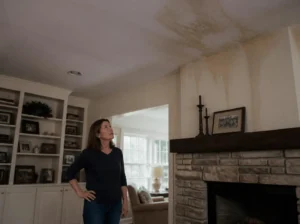
When we inspect chimneys around Burlington, MA and nearby towns, one of the most common problems we see is not fire damage. It is water damage.
That surprises a lot of homeowners. Most people think about chimney cleaning, soot, smoke, or creosote. Those things are important, of course, but in our area, moisture is one of the biggest enemies of a masonry chimney.
New England weather is tough on brick, mortar, flashing, crowns, and chimney caps. Between rain, snow, ice, wind, and constant freeze-thaw cycles, even a solid-looking chimney can start breaking down slowly from the inside out.
Water Damage Usually Starts Small
Many chimney problems begin quietly.
A small crack in the crown.
A missing or damaged cap.
A bit of worn mortar between the bricks.
A flashing area that is no longer sealed properly.
At first, it may not look serious from the ground. But once water starts getting into the chimney structure, it can create bigger problems over time. During cold weather, that trapped moisture can freeze, expand, and push apart the masonry. Then it melts, seeps deeper, freezes again, and the cycle continues.
This is why we often see chimneys with spalling bricks, soft mortar joints, white staining, rusted components, or leaks around the fireplace after winter.
Why Burlington and New England Homes Are Especially Exposed
Homes in Burlington, MA and surrounding areas deal with a specific mix of weather conditions. We get cold winters, wet springs, humid summers, and plenty of temperature swings.
That combination is hard on chimneys.
A chimney sits above the roofline, fully exposed to weather from every direction. It does not have siding, gutters, or much protection. If the masonry is not sealed correctly, it absorbs moisture again and again.
That is why chimney waterproofing is not just a cosmetic service. It is a long-term protection measure.
What Professional Chimney Waterproofing Actually Does
When we waterproof a chimney, we are not just “painting” it.
A proper chimney waterproofing service is designed to help the masonry repel water while still allowing vapor to escape. That part matters. Brick and mortar need to breathe. The wrong coating can trap moisture inside and create even more damage.
Before waterproofing, we usually inspect the chimney condition first. If there are open cracks, damaged mortar joints, crown issues, or missing components, those should be addressed before applying a waterproofing treatment.
In many cases, waterproofing works best as part of a full prevention plan that may include:
Chimney cap installation
Crown repair or crown sealing
Flashing inspection
Masonry repair
Tuckpointing
Water-repellent treatment
Signs Your Chimney May Need Waterproofing
From the ground, homeowners can look for a few warning signs:
White staining on the outside of the chimney
Loose or crumbling mortar
Brick faces that are flaking or breaking apart
Rust on the damper or firebox components
Water stains near the fireplace
Musty smells after rain
Dripping sounds inside the chimney
Cracks in the chimney crown
If you notice any of these signs, it is worth scheduling an inspection before the issue becomes more expensive.
Our Field Advice
If your chimney is already showing signs of water damage, do not wait until next winter. The best time to deal with chimney moisture problems is before the cold weather returns.
We have seen many chimneys that could have been protected with a simple repair and waterproofing service, but were left untreated until they needed major masonry work.
For homes in Burlington, MA, and throughout MA and NH, chimney waterproofing is one of the smartest ways to protect the structure, improve long-term performance, and avoid unnecessary repair costs.
Related Chimney Services
Not sure which service you need? Contact TopDog Chimney for a free written quote across Greater Boston.